The Director's Cut: Producing Visual Content That Earns Attention in 2026
Scroll fatigue is real and accelerating. The visual work that cuts through now operates by completely different rules than the content that worked three years ago.
share
date
02.03.2026
photos
Atabak K

The attention economy in 2026
The average user scrolls the equivalent of four times the height of the Eiffel Tower every day. Visual content is being processed at a speed that was unimaginable a decade ago. The implication for art directors is brutal: you have less than 300 milliseconds to register distinctiveness before a piece of content disappears from consciousness entirely.
What stops the scroll in 2026
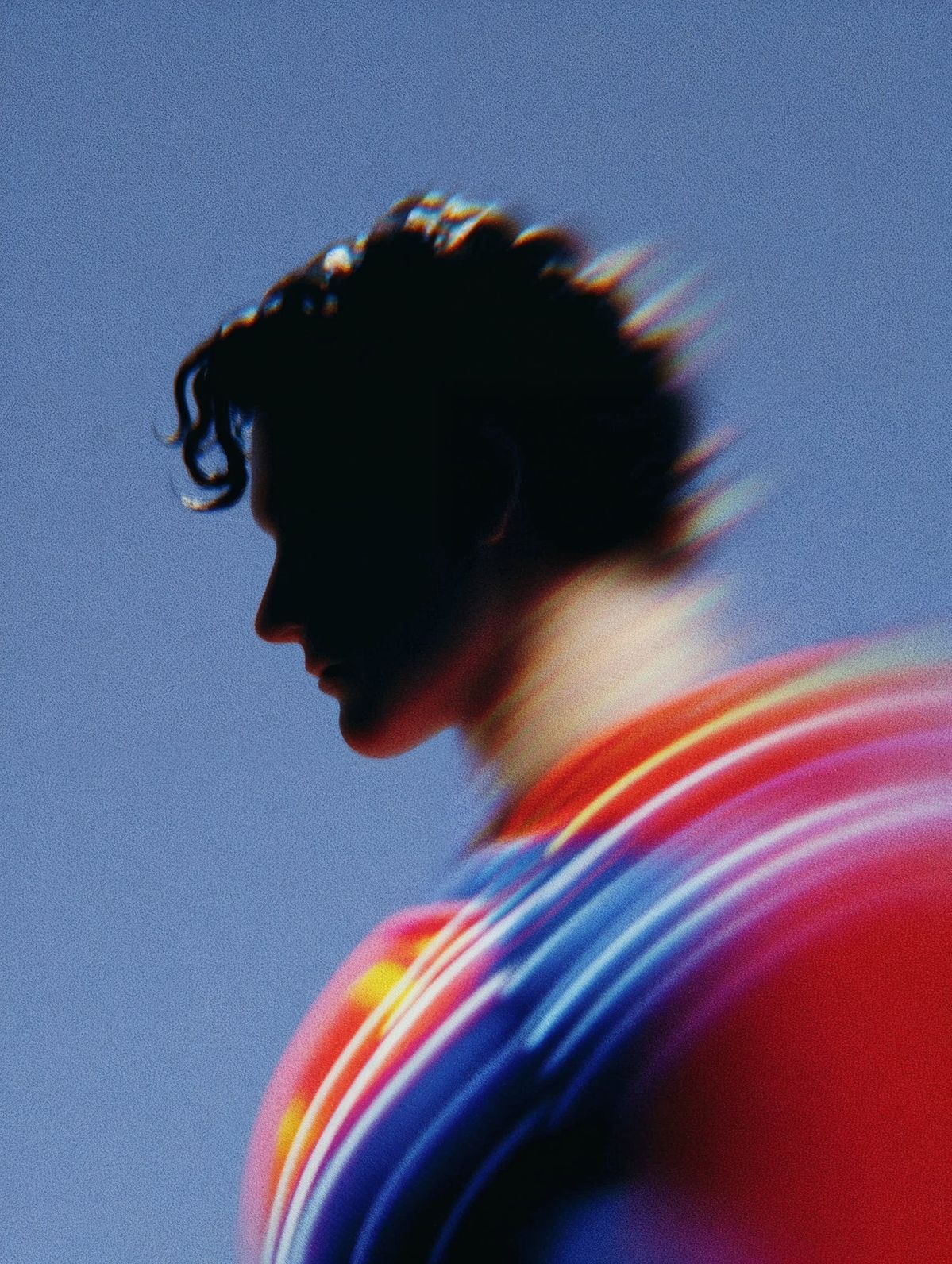
Visual tension an image that creates a question rather than delivers an answer
Genuine unexpectedness not quirky-for-quirky's-sake but truly unfamiliar combinations
Scale contrast radical differences in the size of visual elements within a single frame
Stillness a calm, uncluttered composition in a feed of visual noise
Human specificity real, particular faces and contexts rather than stock-photo genericism
The death of the safe visual
The middle ground competent, inoffensive, professionally executed but unmemorable has become invisible. It is not that safe work is bad. It is that safe work no longer registers. The algorithmic environment ruthlessly deprioritizes content that generates no engagement signal, and the engagement signal requires genuine surprise.
Building a visual language that compounds
The most durable visual content strategies build a recognizable language over time not just individual pieces that perform well, but a consistent aesthetic that audiences begin to anticipate and seek out. This requires patience and consistency across many pieces before the payoff arrives. But when it does, recognition is worth more than virality.