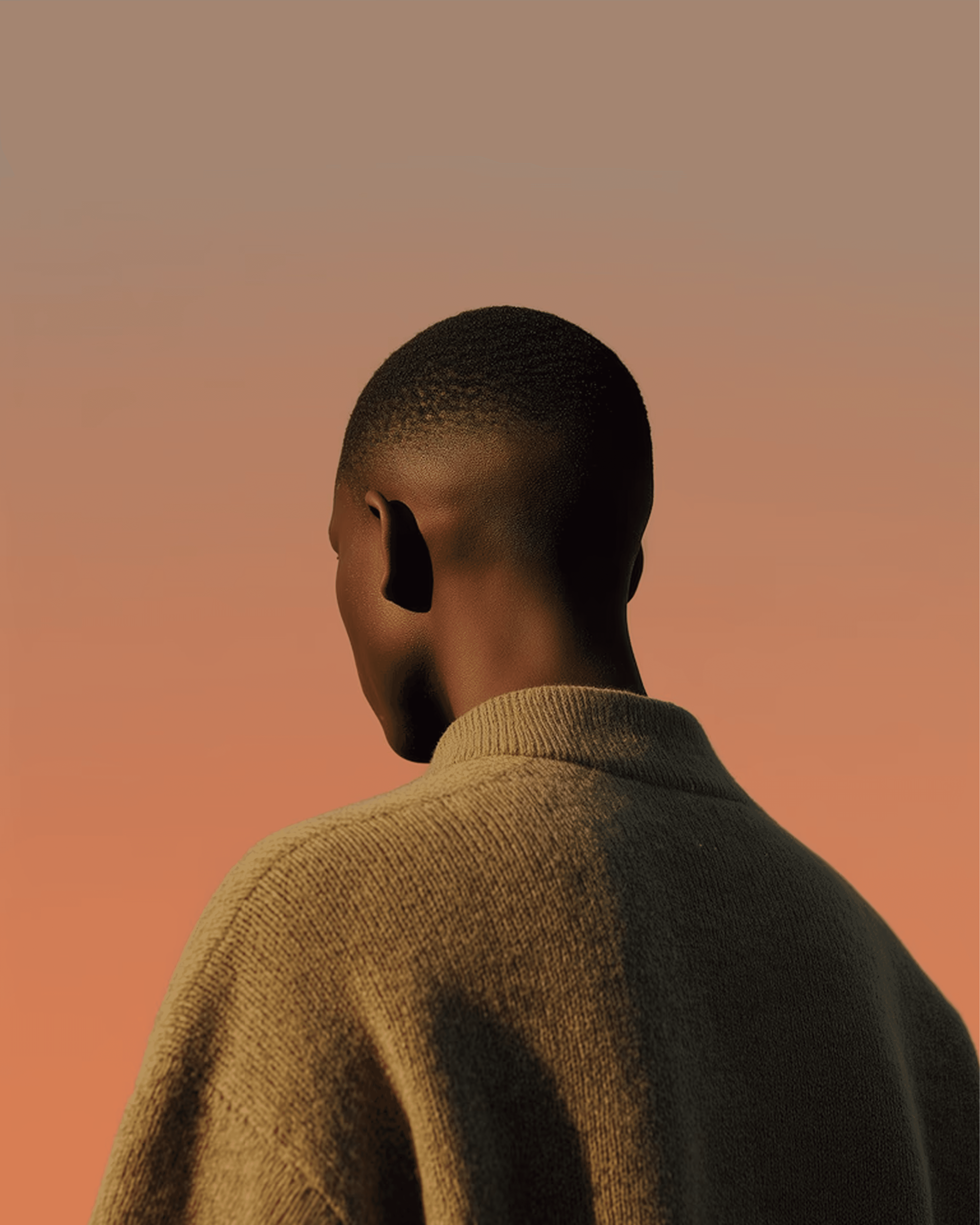
The Return of Restraint: Minimalism Is Back And It's Different This Time
After years of maximalist overload, the design world is rediscovering the power of negative space, deliberate typography, and the courage to leave things out.
share
date
08.08.2026
photos
Atabak K
The pendulum swings
Design has always moved in cycles. The brutalist web moment, the maximalist rebrand wave, the dopamine-drenched gradients of the early 2020s all of these were reactions. The new minimalism arriving now is a reaction too, but it carries something different: intention.
Why this minimalism is more sophisticated
The minimalism of the 2010s was often lazy an absence of design rather than its distillation. Today's restraint is earned. Designers who strip back are making conscious choices, not defaults. Every element that remains has justified its presence.
Typography is doing more expressive work than color ever could
Whitespace is being used as structure, not decoration
Single-color palettes are being executed with extraordinary depth
Grid-breaking asymmetry has replaced predictable balanced layouts
What to avoid when designing with restraint
Restraint is not emptiness. The most common mistake is stripping out content without adding compositional intelligence. Before removing anything, ask: what does this element carry? If the answer is weight, rhythm, or meaning it stays.
Studios leading the shift
Look at recent work from editorial-leaning studios in Stockholm, Seoul, and Amsterdam. The signal is consistent: less type, more space, higher craft at every touch point. This is where visual culture is heading.