Art Direction in the Age of Infinite Reference: Finding Your Own Eye
When every aesthetic is available instantly on Pinterest and Are.na, how do art directors develop a genuine point of view rather than a sophisticated remix?
share
date
28.01.2026
photos
Atabak K
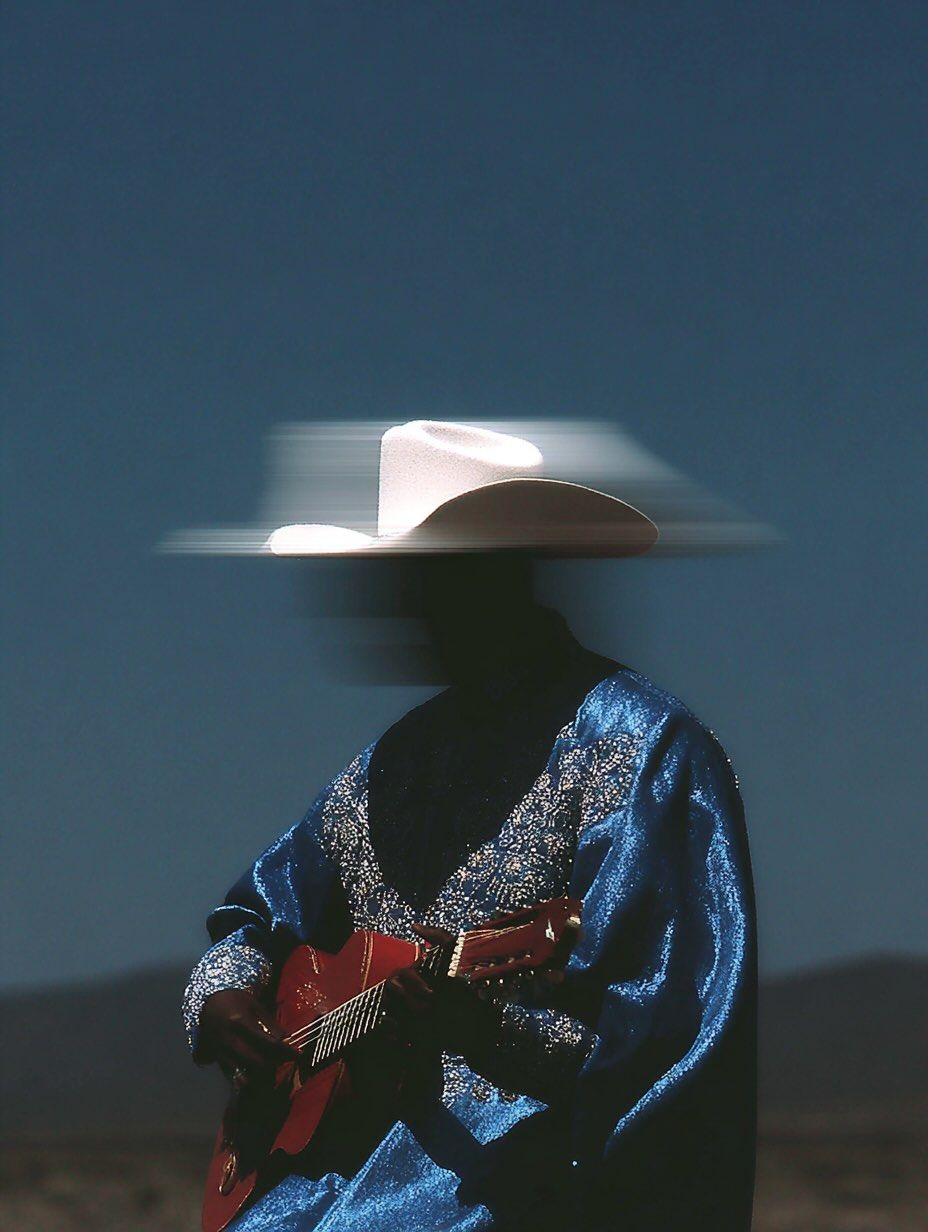
The reference paradox
Art directors have never had more visual material available to them. Every movement, every era, every corner of global visual culture is accessible within seconds. And yet many practitioners report feeling less, not more, original. Access to everything, it turns out, can produce a kind of aesthetic paralysis.
How to build genuine visual instinct
Spend time with original works not JPEGs of them, but the physical objects in galleries and archives
Study the history behind visual movements, not just their surfaces
Develop positions you can argue for, not just moods you respond to
Create without reference boards regularly set briefs for yourself with no allowed references
The difference between influence and reference
Influence happens when a work changes the way you see and think, permanently. Reference is what you look at when you need visual evidence for a decision you have already made. Art directors who work primarily from reference boards are building arguments. Art directors working from influence are building a sensibility. The outputs look different.
Developing editorial courage
The most important skill in art direction is not taste it is the willingness to advocate for a visual decision against resistance. That takes practice, vocabulary, and genuine conviction. Conviction comes from having a real point of view, not from having a well-curated mood board.